Jiří (Jan) Pička Písecký: Scholar, Teacher, and the Man Behind “Bakalář”
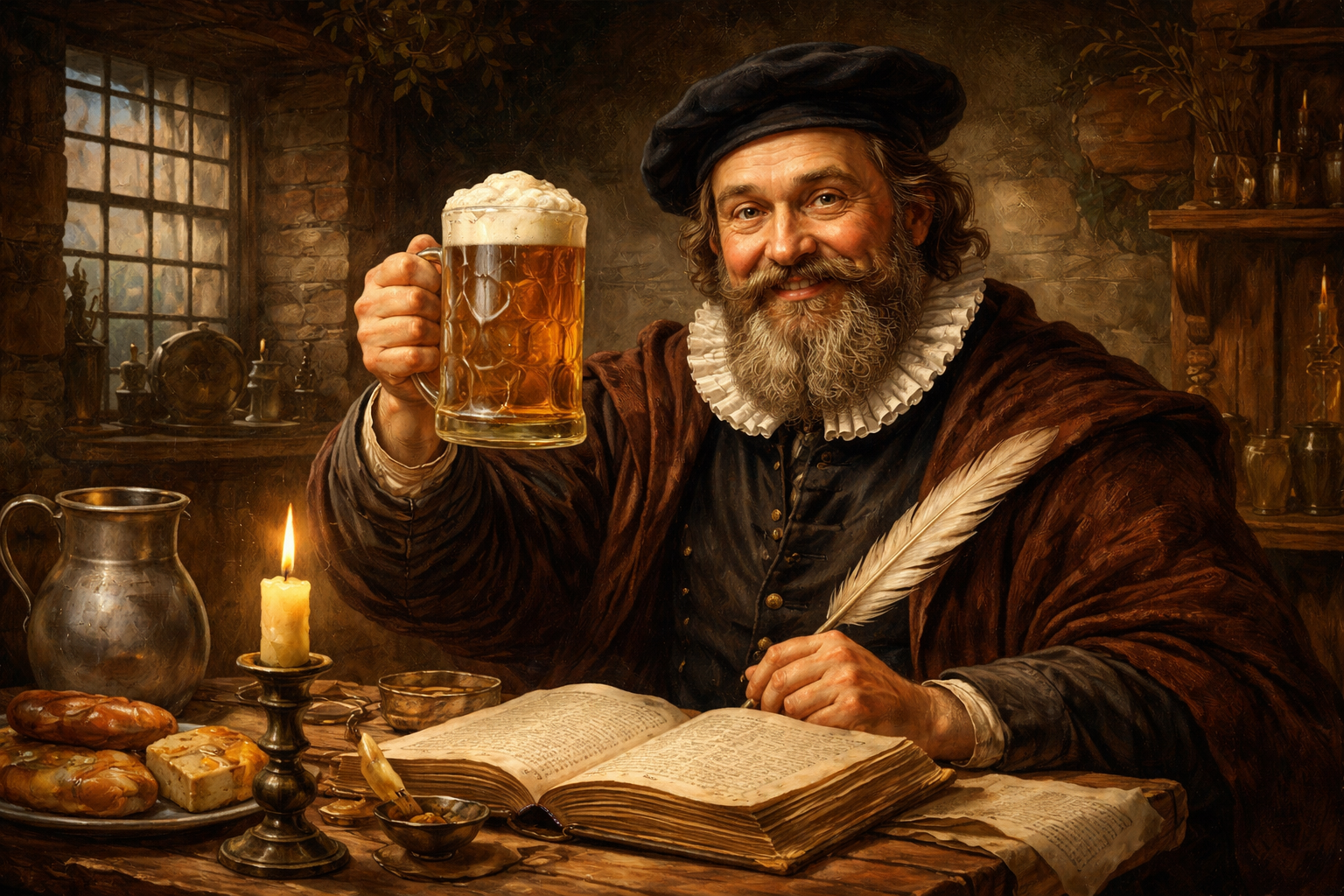
Jiří—more commonly recorded in historical sources as Jan Pička Písecký—is a somewhat elusive yet fascinating figure of Czech late medieval and early modern history. Although many details of his life remain fragmentary, his legacy has endured in cultural memory, literature, and even in one of the Czech Republic’s most famous beer brands, Bakalář. His story sits at the intersection of education, folklore, satire, and regional identity. This article explores his early life, professional career, connection to the Rakovník brewery tradition, and the circumstances of his later life and legacy.
Early Life and Historical Context
Precise records of Jan (Jiří) Pička Písecký’s birth date and early upbringing are scarce, which is not unusual for figures of the 16th century who were not members of the nobility. What is known is that he came from the Czech lands—likely from the town of Písek, as suggested by his surname “Písecký,” a common naming convention indicating geographic origin.
He lived during a transformative period in Bohemian history. The late 16th century was marked by the flourishing of urban culture, education, and brewing traditions. Towns such as Rakovník were gaining economic importance, partly due to privileges like brewing rights granted by monarchs. These developments created opportunities for educated men—especially those with university backgrounds—to take on roles in municipal schools and administration.
Pička Písecký was one such educated man. He held the academic title “bakalář” (bachelor), indicating that he had completed university-level studies, most likely at the Charles University in Prague, one of the oldest universities in Central Europe. According to historical accounts, he was even associated with the university at a high level, possibly serving as a rector or holding a significant academic position.
Professional Life: Teacher and ScholarArrival in Rakovník
Arrival in Rakovník
The most documented period of Pička Písecký’s life begins in 1588, when he arrived in the town of Rakovník. His appointment there was significant: he became the administrator and teacher (schoolmaster) of the local school. At the time, such positions were not merely educational but also carried social and moral authority within the town.
Rakovník, already known for its brewing tradition, was an active and prosperous town. The arrival of a university-educated teacher would have been seen as a mark of prestige and progress. Pička was described as a learned, kind, and approachable educator, suggesting that he initially earned respect in his new role.
Reputation and Personality
However, Pička Písecký’s personality appears to have been complex. Later literary portrayals—especially in the work Nezbedný bakalář by Zikmund Winter—depict him as witty, outspoken, and somewhat unruly. While these depictions are partly fictionalized, they likely draw on real traits remembered in local tradition.
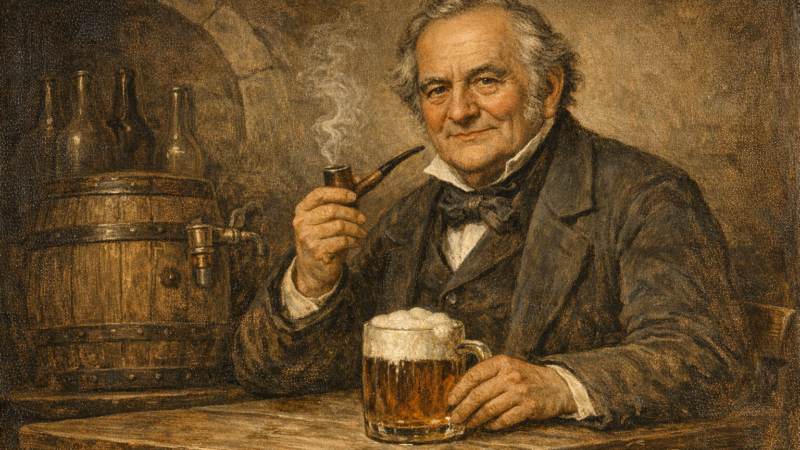
He became known by the nickname “Nezbedný bakalář” (the mischievous bachelor), a label that captures both admiration and criticism. He was said to be humorous and engaging in teaching, but also prone to excess—particularly in his fondness for beer and sharp-tongued remarks.
Such behavior may have clashed with expectations of a schoolmaster, who was supposed to embody discipline and moral authority. Accounts suggest that his relationships with townspeople became strained over time, as his jokes and provocations occasionally crossed into offense.
Connection to Pivovar Bakalář
The Naming of the Beer
One of the most enduring aspects of Pička Písecký’s legacy is his connection to the Rakovník brewery, today known as Pivovar Bakalář.
The brewery itself dates back to at least 1454, when Rakovník received brewing rights from King Ladislaus the Posthumous. Over time, the town became renowned for its beer, which was widely exported and highly regarded.
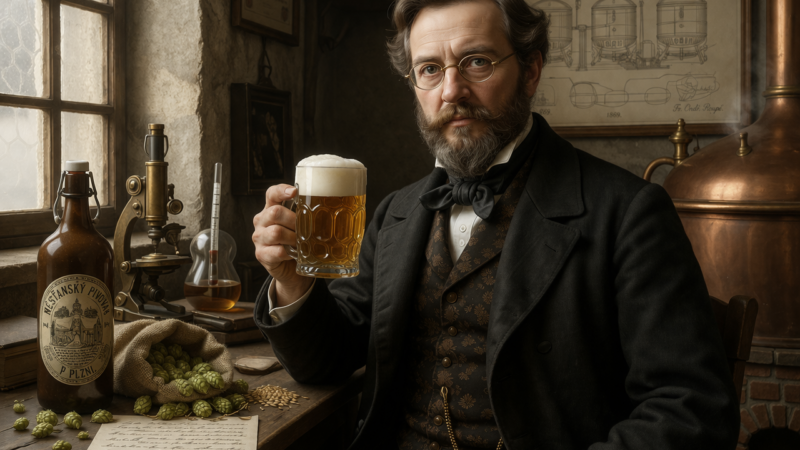
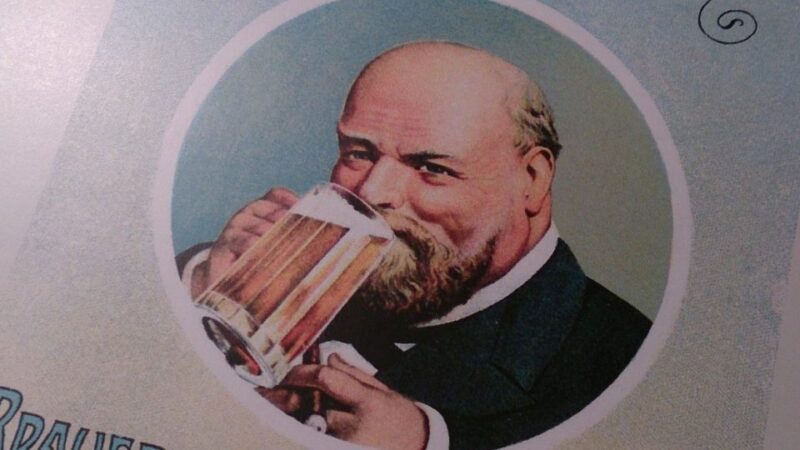
The name “Bakalář” (Bachelor) was later adopted as the brand name of the beer, and it is widely believed that this name was chosen in honor of Jan Pička Písecký, who served as a schoolmaster in Rakovník in 1588.
Symbolic Meaning
The connection is both literal and symbolic:
Literal: Pička Písecký bore the academic title “bakalář,” directly inspiring the name.
Cultural: His personality—educated yet lively, intellectual yet fond of drink—fit well with the identity of a traditional Czech beer.
In Czech culture, beer is not only a beverage but also a symbol of social life, humor, and intellectual exchange. The figure of a witty bachelor teacher enjoying beer resonates strongly with this tradition.
Thus, even centuries after his lifetime, Pička Písecký remains indirectly present in Czech daily life through the Bakalář brand.
Later Life
Conflict and Departure
The later phase of Pička Písecký’s life is less well documented and partly reconstructed through literary and anecdotal sources. According to traditional narratives, his tenure in Rakovník ended in controversy.
His increasingly provocative behavior—combined with his reputation for drinking—led to growing dissatisfaction among townspeople. At some point, the town council reportedly considered replacing him.
Rather than waiting to be dismissed, Pička is said to have left the town voluntarily. This departure may have been dramatic, as suggested by later stories describing acts of defiance or symbolic gestures upon leaving.
Career After Rakovník
There are hints that Pička Písecký may have continued his career elsewhere, possibly transitioning into legal or rhetorical professions. Some accounts suggest that his eloquence and argumentative skills made him suitable for roles such as advocacy or legal practice.
However, these claims are difficult to verify with historical certainty. The lack of reliable records makes it challenging to reconstruct his exact trajectory after leaving Rakovník.
Death and Historical Obscurity
The exact date and place of Pička Písecký’s death remain unknown. This is not unusual for figures of his social standing in the 16th century, especially those who did not belong to noble families or leave extensive written works.
Despite this, his memory survived in:
Local oral traditions
Literary adaptations (notably by Zikmund Winter)
Place names (such as streets named after him)
The enduring brand of Bakalář beer
His story is an example of how cultural memory can preserve a person’s identity even when formal historical documentation is limited.
Cultural Legacy – Literary Representation
The most famous portrayal of Pička Písecký appears in Zikmund Winter’s work Nezbedný bakalář. In this narrative, he is depicted as a flawed but vivid character—intelligent, humorous, rebellious, and occasionally irresponsible.
Although the story is fictionalized, it reflects broader themes of Renaissance and early modern life:
The tension between education and morality
The role of humor and satire in society
The social importance of beer and tavern culture
Symbol of Czech Tradition
Today, Pička Písecký can be seen as a symbolic figure representing:
The educated urban class of early modern Bohemia
The interplay between intellect and everyday life
The deep cultural roots of Czech brewing traditions
His association with Bakalář beer reinforces this symbolic role. The beer itself, brewed in Rakovník for centuries, embodies continuity, craftsmanship, and regional pride.
Conclusion
Jiří (Jan) Pička Písecký was more than just a schoolmaster—he was a figure whose personality and legacy transcended his lifetime. Though historical records about him are incomplete, the available evidence paints a picture of a learned yet unconventional man who left a lasting mark on Czech cultural history.
From his early academic career to his controversial tenure in Rakovník, from his connection to one of the country’s oldest breweries to his transformation into a literary character, Pička Písecký represents the rich tapestry of Czech heritage.
His life reminds us that history is not only shaped by kings and generals but also by teachers, thinkers, and colorful individuals whose stories continue to resonate—sometimes in the most unexpected ways, like the name of a beer enjoyed centuries later.
Image: Illustrative