Introducing Czech Breweries, Part 19 – Pivovar Bakalář
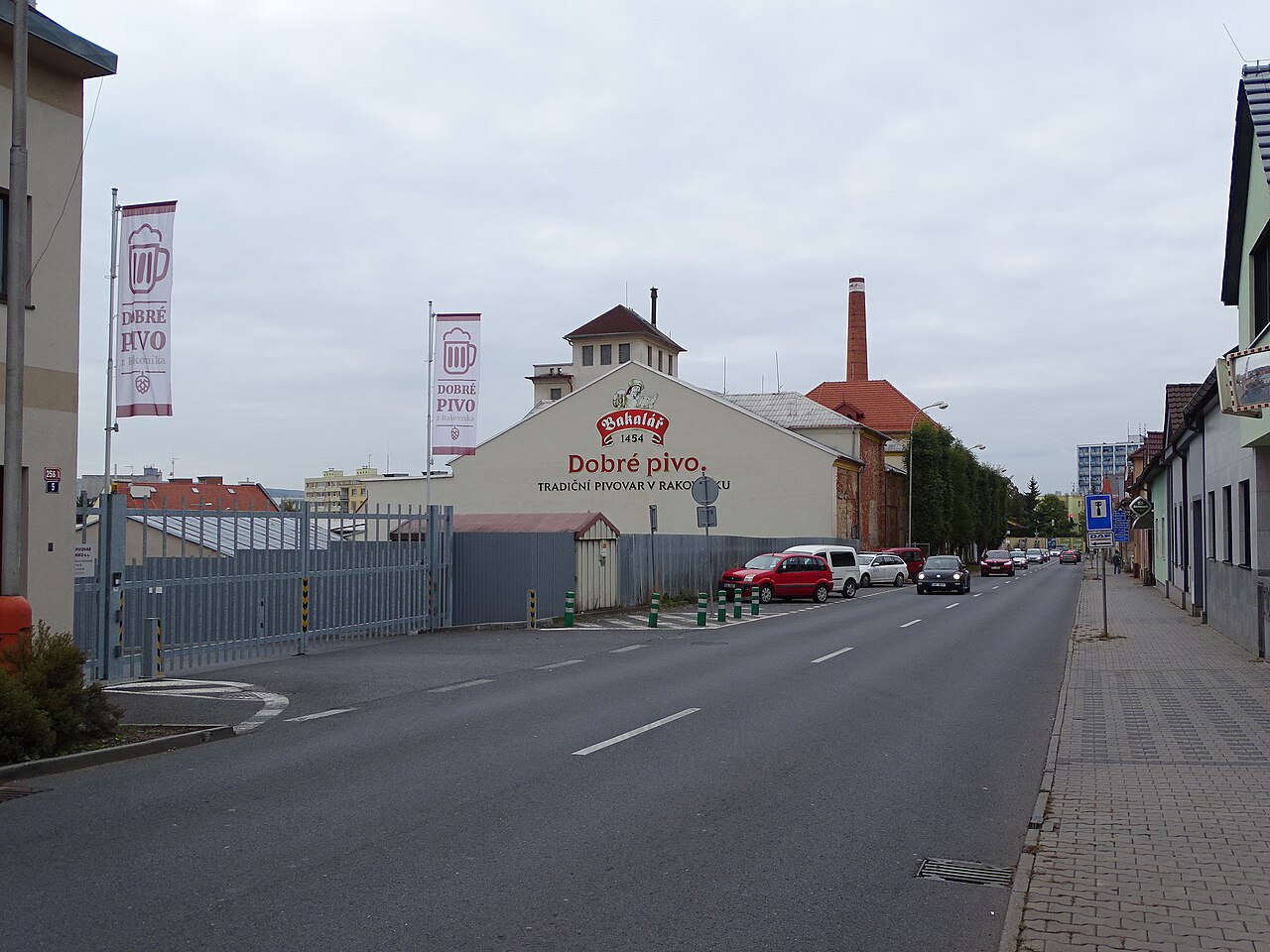
Pivovar Bakalář: A Living Tradition of Czech Brewing Heritage
The Czech Republic is globally renowned for its beer culture, often considered among the finest in the world. Within this rich brewing tradition stands Pivovar Bakalář, a historic brewery located in the town of Rakovník, approximately 50 kilometers west of Prague. Known for its dedication to traditional brewing methods and its deep historical roots, Bakalář represents not only a brand of beer but also a living embodiment of Czech brewing heritage.
Historical Origins: From Medieval Privilege to Modern Brewery
The story of Pivovar Bakalář begins long before the construction of its current facilities. In 1454, the town of Rakovník was granted the right to brew beer by King Ladislaus II. This privilege, known as the “mile right,” allowed the town to produce and sell beer without competition within a defined radius. This royal endorsement laid the foundation for a brewing tradition that has endured for centuries.
During the medieval period, beer production in Rakovník was closely tied to the town’s identity and economy. The local beer gained a reputation for quality and was even supplied to the royal court in Prague. Over time, however, changes in brewing regulations and economic conditions affected production, particularly with the abolition of traditional brewing rights in the late 18th century.
The modern era of the brewery began in 1867, when a large industrial brewery was constructed on the site of former military barracks in Rakovník. This marked a shift from small-scale, town-based brewing to a more organized, industrialized operation capable of producing beer on a larger scale.
Origin of the Name “Bakalář”
The name “Bakalář” has a unique historical origin tied to an educated figure from Rakovník’s past. In the late 16th century, a school administrator named Jiří Pička Písecký, who held the academic title “bakalář” (bachelor), was known for his appreciation of local beer. His fondness for Rakovník’s brew inspired the naming of the beer brand, which has since become synonymous with the region’s brewing identity.
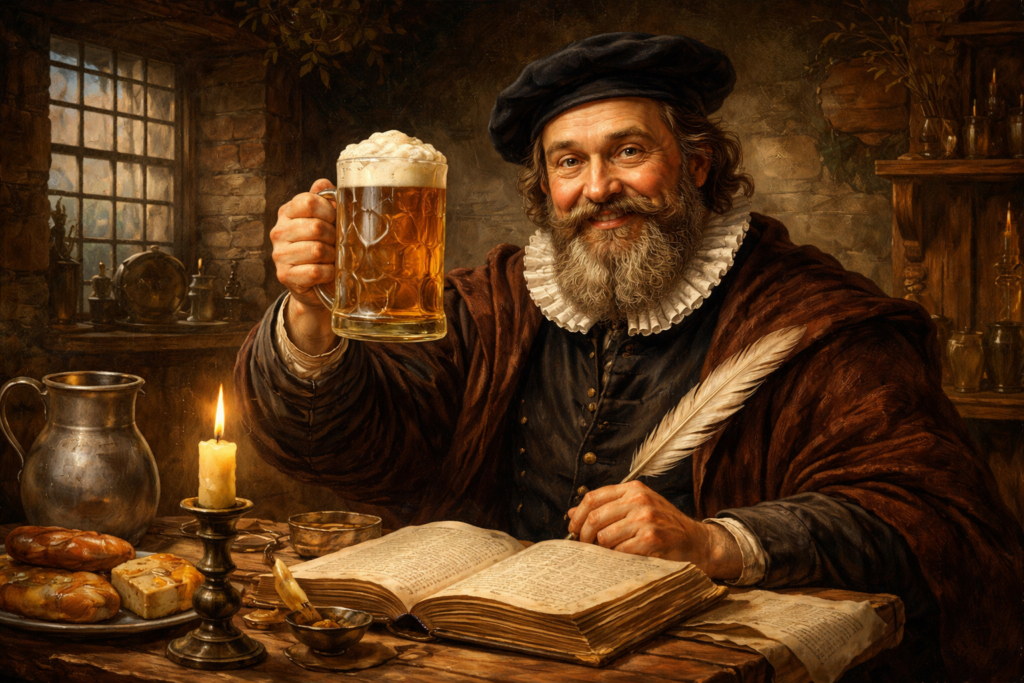
Today, the name “Bakalář” carries both historical and cultural significance, reflecting a blend of education, craftsmanship, and local pride.
Brewing Tradition and Techniques
One of the defining characteristics of Pivovar Bakalář is its commitment to traditional Czech brewing methods. While many modern breweries have adopted accelerated production techniques to increase efficiency, Bakalář continues to use classical processes that emphasize quality over speed.
The brewery is particularly known for its bottom-fermented lagers, a hallmark of Czech brewing. Historically, Rakovník’s brewery gained recognition for these lagers at a time when top-fermented beers (similar to ales) were still prevalent in much of the region.
Key elements of Bakalář’s brewing process include:
Use of local hops: Czech hops, especially those from nearby regions, contribute to the beer’s distinctive bitterness and aroma.
Traditional fermentation: Slow, controlled fermentation ensures a balanced flavor profile.
Cold conditioning (lagering): Extended maturation periods enhance clarity and taste.
These methods result in beers that are well-balanced, flavorful, and representative of classic Czech styles.
Range of Beers
Pivovar Bakalář produces a diverse selection of beers, catering to both traditional tastes and modern preferences. The brewery’s portfolio includes:
Pale draught beers (výčepní) – light, refreshing, and lower in alcohol
Lagers (ležák) – fuller-bodied beers with moderate bitterness
Dark beers – featuring roasted malt flavors and a smooth finish
Semi-dark (amber) beers – combining elements of both light and dark styles
Specialty beers – including honey-infused brews and seasonal offerings
Non-alcoholic beers – maintaining flavor without alcohol content
Examples of specific products include pale lagers around 4.9% ABV, dark beers with lower alcohol content, and specialty brews such as honey beer and cold-hopped variants.
The brewery also occasionally produces limited-edition beers, such as anniversary brews commemorating important milestones in its long history.
Industrial Challenges and Revival
Like many traditional breweries in Central and Eastern Europe, Pivovar Bakalář faced significant challenges during the late 20th century. Following the fall of communism in 1989, the Czech brewing industry underwent major restructuring. The Rakovník brewery was transformed into a joint-stock company and experienced multiple ownership changes.
The situation worsened in the 1990s, when declining demand and market competition led to a reduction in production. Eventually, the brewery ceased operations entirely between 1997 and 2004, marking one of the most difficult periods in its history.
However, the story did not end there. In 2004, after a seven-year hiatus, the brewery resumed production following essential renovations. This revival marked a turning point, allowing Bakalář to reclaim its place in the Czech beer market.
Subsequent investments in modernization improved production capacity and efficiency while preserving traditional brewing techniques. Today, the brewery is capable of producing significant volumes of beer, with a capacity of around 250,000 hectoliters annually.
Cultural and Economic Significance
Pivovar Bakalář plays an important role not only in the local economy of Rakovník but also in the broader cultural landscape of the Czech Republic. The brewery is one of the oldest in the country, and its history is deeply intertwined with that of the town itself.
Beer in the Czech Republic is more than just a beverage—it is a cultural institution. Pubs, beer halls, and festivals are central to social life, and breweries like Bakalář contribute to this tradition by maintaining high standards of quality and authenticity.
The brewery also attracts visitors interested in beer tourism, offering a glimpse into traditional Czech brewing practices. Its presence enhances Rakovník’s appeal as a destination for those exploring the country’s rich beer culture.
The Bakalář Brand in the Modern Market
In today’s competitive beer market, dominated by both multinational corporations and emerging craft breweries, Bakalář occupies a unique position. It is neither a mass-produced global brand nor a small craft operation, but rather a traditional regional brewery with a strong identity.
The brand emphasizes:
Authenticity – maintaining historical brewing methods
Consistency – delivering reliable quality across its product range
Heritage – highlighting its centuries-old origins
While production volumes are modest compared to major international breweries, Bakalář has built a loyal customer base both within the Czech Republic and abroad. Its beers are exported to various countries, allowing international consumers to experience a piece of Czech brewing tradition.
Innovation Within Tradition
Despite its focus on tradition, Pivovar Bakalář is not resistant to innovation. The brewery has introduced new beer styles and modernized its facilities to meet contemporary standards.
Examples of innovation include:
Cold-hopped lagers, which enhance aroma while preserving traditional characteristics
Non-alcoholic variants, catering to changing consumer preferences
Seasonal and specialty beers, offering variety and experimentation
This balance between tradition and innovation allows Bakalář to remain relevant in a rapidly evolving industry.
The Future of Pivovar Bakalář
Looking ahead, Pivovar Bakalář faces both opportunities and challenges. The global popularity of Czech beer provides a strong foundation for growth, but competition from craft breweries and large-scale producers continues to intensify.
Key factors influencing the brewery’s future include:
Consumer trends toward craft and specialty beers
Sustainability and environmental considerations
Global market expansion
Preservation of traditional methods
By staying true to its heritage while adapting to modern demands, Bakalář is well-positioned to continue its legacy.
Conclusion
Pivovar Bakalář is more than just a brewery—it is a symbol of Czech brewing tradition, resilience, and cultural identity. From its medieval origins in 1454 to its industrial expansion in the 19th century, and from its temporary closure in the late 20th century to its revival in the 21st, the brewery has demonstrated remarkable endurance.
Its commitment to traditional brewing techniques, combined with a willingness to innovate, ensures that Bakalář remains relevant in today’s beer landscape. For beer enthusiasts and historians alike, it represents a fascinating example of how heritage and modernity can coexist.
In a world where industrialization often overshadows tradition, Pivovar Bakalář stands as a testament to the enduring value of craftsmanship, history, and local pride—qualities that continue to define Czech beer at its best.
Image: Wikimedia Commons – ŠJů