The Tradition of Green Beer in the Czech Republic
From Religious Symbolism to a Modern Cultural Phenomenon
The Czech Republic is world-famous for its beer culture—arguably the richest and most deeply rooted in Europe. With brewing traditions dating back over a thousand years, beer is not just a beverage in Czech society but a cornerstone of identity and social life.
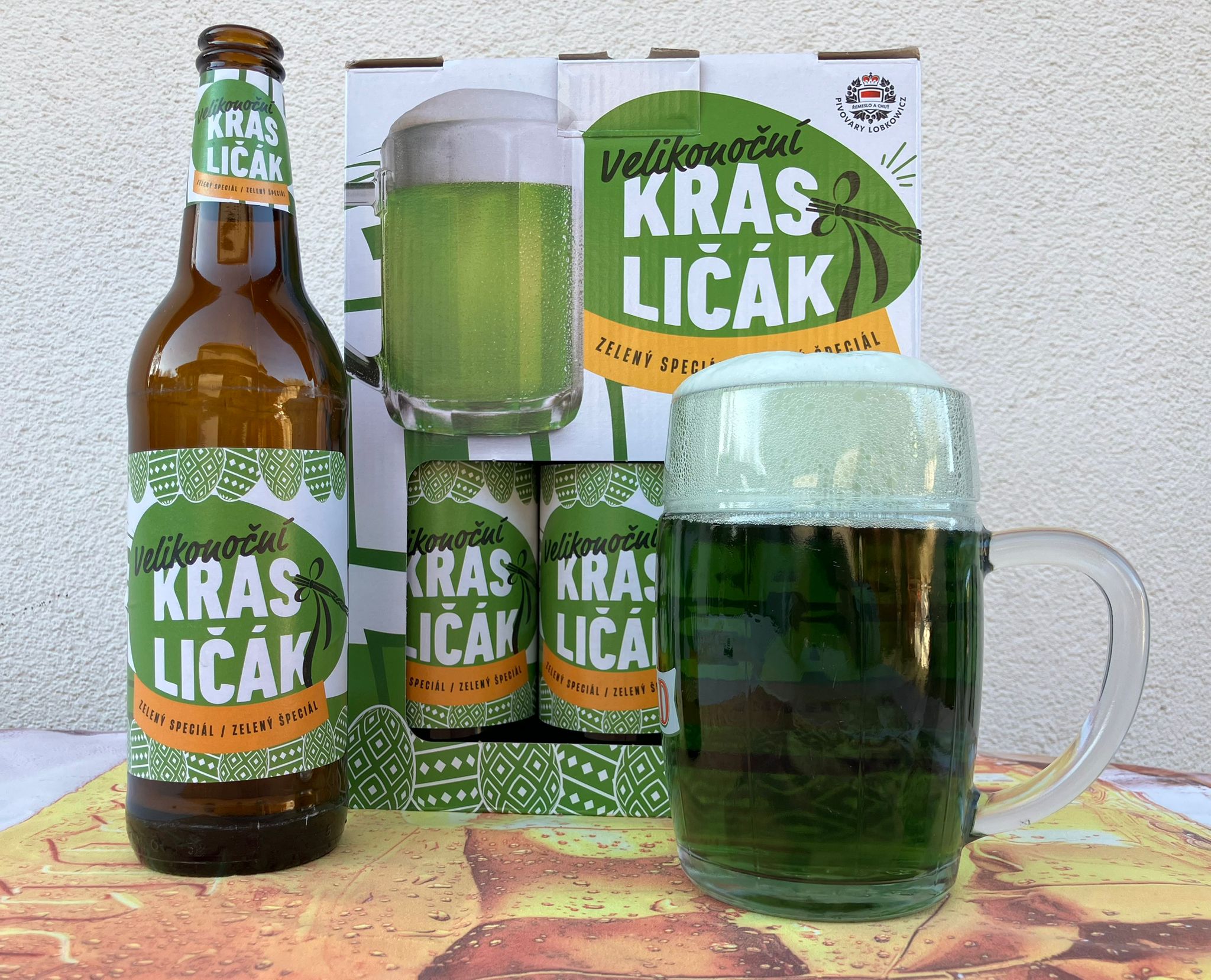
Within this rich brewing heritage, one relatively modern yet rapidly beloved tradition stands out: green beer (zelené pivo). Today, it is a highly anticipated seasonal specialty served across the country each spring. However, its origins are a fascinating blend of ancient religious symbolism, seasonal rituals, and clever modern marketing.
Ancient Roots: The Meaning of “Green Thursday”
To understand green beer in the Czech Republic, we must first look at “Zelený čtvrtek” (Green Thursday)—a Christian holiday celebrated during Holy Week, just before Easter.
The “green” in Green Thursday has several possible origins:
It may refer to green vestments worn by priests during the Mass.
Another explanation links it to penitents wearing green herbs or sprigs as a sign of renewal and repentance.
It is also connected to Lent traditions, when people ate simple foods—often vegetables—symbolizing humility and purification.
Over time, a folk custom developed: people should eat something green on this day—such as spinach, cabbage, or herbs—to ensure good health for the coming year.
This symbolic association with green—representing spring, renewal, and rebirth—laid the foundation for the later emergence of green beer.
Early Seasonal Beer Traditions
Long before green beer itself existed, Czech lands already had strong seasonal drinking customs.
Historically, the transition from winter to spring was celebrated by:
Shifting from dark, heavy beers to lighter, paler brews,
Marking the end of cold months and welcoming new life.
Beer, being central to Czech life, naturally became part of these seasonal rituals. The idea of associating beer with spring’s “green” symbolism was therefore a logical evolution rather than a sudden invention.
The Birth of Green Beer (early 2000s)
Despite its ancient symbolic roots, green beer as a drink is surprisingly modern.
The tradition began in the early 2000s, when the Starobrno Brewery in Brno introduced a special green-colored beer brewed specifically for Green Thursday.
This was not just a novelty:
The beer was marketed as a once-a-year seasonal specialty,
It tied directly into existing Easter traditions,
And it offered something visually striking and memorable.
Initially, it was a regional experiment—but it quickly gained attention.
By 2009, demand had grown so much that Starobrno was producing hundreds of thousands of liters and distributing it nationwide.
Rapid Expansion Across the Country
What started as a single brewery’s idea soon became a nationwide phenomenon.
Several factors contributed to its rapid spread:
Strong Czech beer culture – People are always eager to try new seasonal brews.
Limited availability – Green beer is typically served only on or around Green Thursday, increasing its appeal.
Visual uniqueness – Its bright green color makes it instantly recognizable and highly marketable.
Soon, other breweries joined in, producing their own versions of green beer, each with slight variations in taste and production methods.
Today, it is common to find green beer on tap in pubs across the Czech Republic during Easter week.
How Green Beer Is Made
Some Czech breweries emphasize traditional or “natural” approaches:
Using herbs or special malts,
Or achieving the color during the brewing process itself.
Artificial Coloring
More commonly, especially in large-scale production:
Brewers add food coloring (often blue dye combined with yellow tones) to pale lager.
Because Czech beer is typically light-colored (like pilsner), it provides the perfect base for achieving a bright green hue.
Despite occasional debates about additives, the drink remains widely accepted and safe.
Cultural Meaning: More Than Just a Gimmick
Although green beer may seem like a marketing stunt at first glance, it carries deeper cultural meaning.
It reflects:
Seasonal renewal – celebrating the arrival of spring,
Religious heritage – tied to Easter and Green Thursday,
Social tradition – gathering in pubs and celebrating together.
In fact, Czech beer culture itself is so significant that it has been officially recognized as part of the country’s intangible cultural heritage.
Green beer fits naturally into this broader context—it is not an isolated novelty but part of a living, evolving tradition.
Influence of Global Trends
Interestingly, green beer is also known worldwide—especially in connection with St. Patrick’s Day in the United States.
However, the Czech version differs in key ways:
It is tied to Easter, not Irish celebrations,
It is often produced as a special craft batch, not just dyed beer,
And it carries symbolic meaning linked to spring and religion.
In recent years, globalization has blurred these lines:
Younger Czechs sometimes drink green beer for St. Patrick’s Day as well,
Combining international influences with local traditions.
Green Beer Today: A Nationwide Celebration
Today, green beer has become a firmly established Czech tradition.
Every year:
Breweries prepare special batches just for Green Thursday,
Pubs promote the event weeks in advance,
And people gather to enjoy the first “green” drink of the season.
For many, it has become:
A symbolic start to Easter celebrations,
A chance to socialize and celebrate spring,
And simply a fun, shared cultural experience.
Tourists visiting the Czech Republic during Easter are often encouraged not to miss the opportunity to try it.
Conclusion: A Tradition Both Old and New
The story of green beer in the Czech Republic is a perfect example of how traditions evolve.
Its roots lie in medieval religious customs and seasonal symbolism,
Its modern form was born in 2005 through brewing innovation,
And its popularity today reflects the strength of Czech beer culture.
In just two decades, green beer has transformed from a local experiment into a nationwide ritual, blending history, creativity, and community.
Ultimately, green beer is more than just a colorful drink—it is a celebration of spring, heritage, and the enduring Czech love of beer.