Introducing Czech Breweries, Part 8 – Pivovar Nymburk
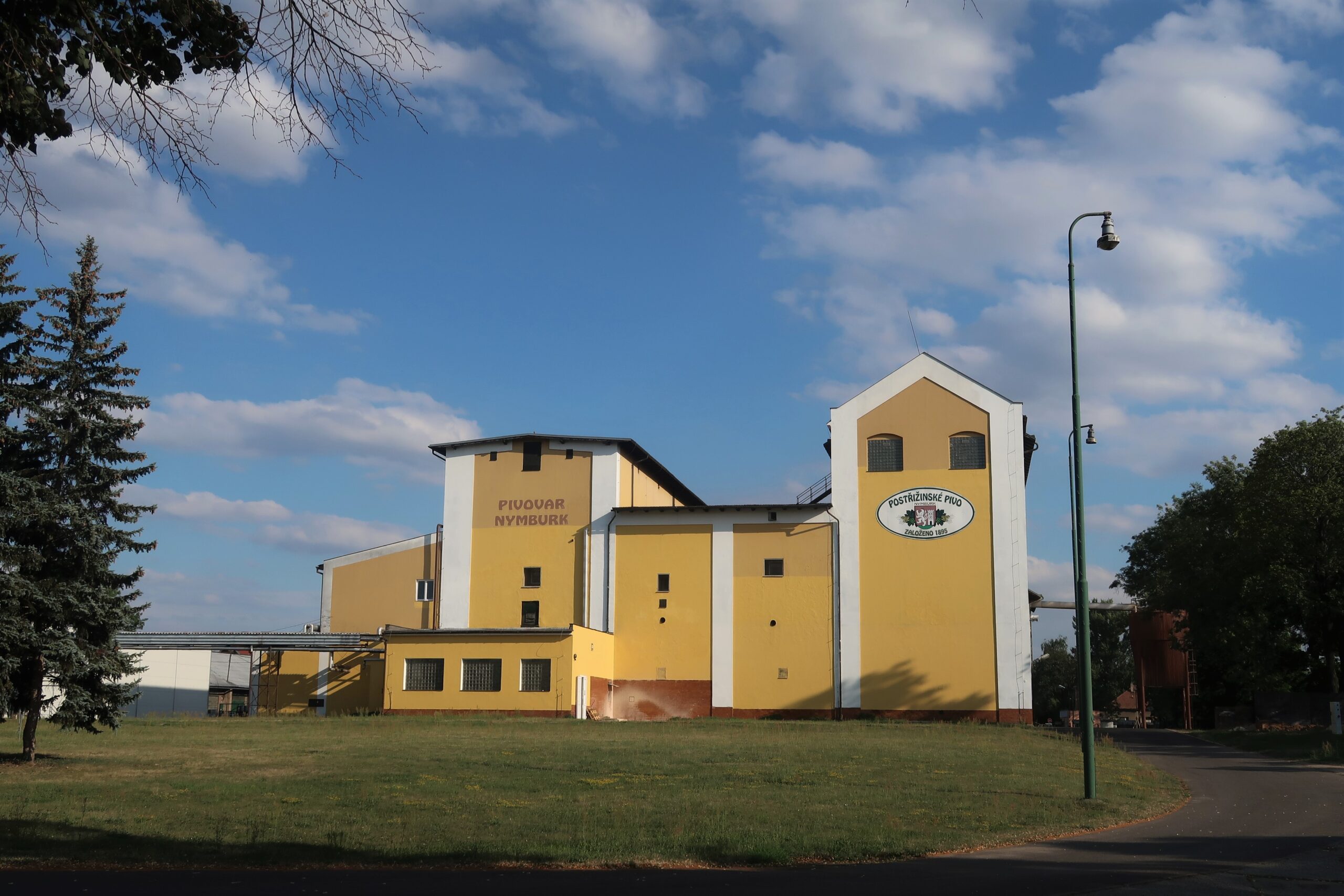
Pivovar Nymburk: A Storied Czech Brewery Blending Tradition, Culture, and Craft
Located in the historic town of Nymburk in the Central Bohemian Region of the Czech Republic, Pivovar Nymburk is a brewery with over a century of tradition, cultural significance, and a reputation for crafting authentic Czech beer. Its story is not merely one of beer production, but also of historical ebbs and flows, literary inspiration, and lasting local identity.
An Ancient Brewing Tradition Rooted in Nymburk
Although the modern brewery itself was formally established toward the end of the 19th century, the roots of brewing in Nymburk stretch much further back. The first known indirect record of beer production in the town dates to 26 December 1327, when King John of Bohemia (Jan Lucemburský) granted the town certain privileges, including rights related to brewing. At that time, Nymburk reportedly hosted numerous small breweries and dozens of malt houses, making it a significant center of early Czech brewing.
Over the ensuing centuries, this vibrant brewing culture faced typical historical challenges. The Thirty Years’ War (1618–1648) and shifting economic conditions led to consolidation and decline of smaller breweries. Eventually, a more formalized municipal brewery emerged in 1785, though it was damaged and ultimately faded from prominence as newer brewing enterprises developed.
Founding of the Modern Brewery
The modern history of the brewery as it stands today begins with an official decree from the Imperial and Royal Regional Court in Mladá Boleslav on 29 April 1895, which established the Nymburský pivovar (“Nymburk Brewery”). Construction started soon after, and the first batch of beer was brewed on 19 March 1898 in newly built facilities. From its very first season, production was strong, exceeding 21,000 hectoliters.
Growth, Challenges, and 20th-Century Change
Through the early decades of the 20th century, the brewery expanded production and distribution, becoming a notable supplier across the region. However, major global upheavals like the World Wars and economic crises affected output and stability. For instance, wartime shortages drastically reduced production during World War I, and wartime regulations in World War II placed limits on beer strength and total output. After the end of the war, the brewery — like many other Czech enterprises — was nationalized under the new socialist government and placed under government associations of breweries.
From the late 1940s through the communist era, the brewery shifted affiliations multiple times — becoming part of broader national brewery networks and associations like Polabské pivovary Kolín and later Středočeské pivovary Velké Popovice. Production continued throughout these decades, and by the 1960s the brewery regularly exceeded 50,000 hectoliters per year, eventually surpassing 100,000 hectoliters by the mid-1970s.
Post-Communist Revival and Independence
The political and economic changes of the late 1980s and early 1990s brought significant transformation. Following the Velvet Revolution, the brewery became part of Pivovary Bohemia, a group that included several Czech breweries. However, over time, Pivovar Nymburk regained its independence, emerging as a fully standalone company — Pivovar Nymburk, spol. s r.o. today. It is also a member of the association of small independent breweries, signaling its ongoing commitment to craft brewing traditions.
The Cultural Legacy of Postřižinské
One of the most unique elements of Pivovar Nymburk’s identity is its close cultural connection to Czech literature. The brewery and its surroundings are famously linked to the life and work of the celebrated Czech writer Bohumil Hrabal (1914–1997). Hrabal spent his formative years in Nymburk, where his stepfather František Hrabal worked as the brewery’s accountant and later manager. These formative experiences became the inspiration for Hrabal’s beloved novel Postřižiny (Cutting It Short), which affectionately portrays small-town beer culture, characters, and community life.
In recognition of this legacy, the brewery’s most famous beer — and indeed its entire brand identity — carries the name Postřižinské. This iconic label represents a range of lagers and specialty beers brewed in traditional Czech styles, and in some ways serves as a cultural ambassador for both Czech beer and Hrabal’s literary spirit.
Brewing Today: Tradition Meets Quality
Modern Pivovar Nymburk combines time-honored techniques with contemporary brewing expertise. The brewery focuses on bottom-fermented lagers made using classic two-mash decoction methods, a hallmark of traditional Czech beer craftsmanship. Its portfolio includes multiple styles: several pale lagers (including non-alcoholic options), a dark lager, and special seasonal or specialty brews.
The brewery also operates its own malt house, allowing close control over raw materials — a key element in crafting consistent, high-quality beer. Its cellar infrastructure includes numerous lager tanks, enabling the long maturation times that are essential for full flavor development in traditional Czech beer.
Engagement with Community and Visitors
Beyond production, Pivovar Nymburk plays an active role in local community life and tourism. The brewery organizes a range of annual festivals and events, such as Postřižinský Expres and Den postřižinského piva, drawing both locals and beer enthusiasts from across the region. Tours and tastings offer visitors a chance to explore the brewery’s history, see the brewing process up close, and sample beers fresh from the cellar.
Conclusion: A Brewery With Heart and Heritage
Pivovar Nymburk stands as a vibrant example of how brewing tradition and cultural legacy can intertwine. With deep historical roots, a cherished literary connection, and a commitment to traditional brewing craftsmanship, it remains an essential part of the Czech Republic’s rich beer heritage. Through its beers — especially the beloved Postřižinské brand — and its role in community life, the brewery continues to share the story of Nymburk’s past while crafting flavors that resonate with beer lovers today
Brewery website: postriziny.cz
Image: Wiki Commons