Introducing Czech Breweries, Part 18 – Pivovar Klášter
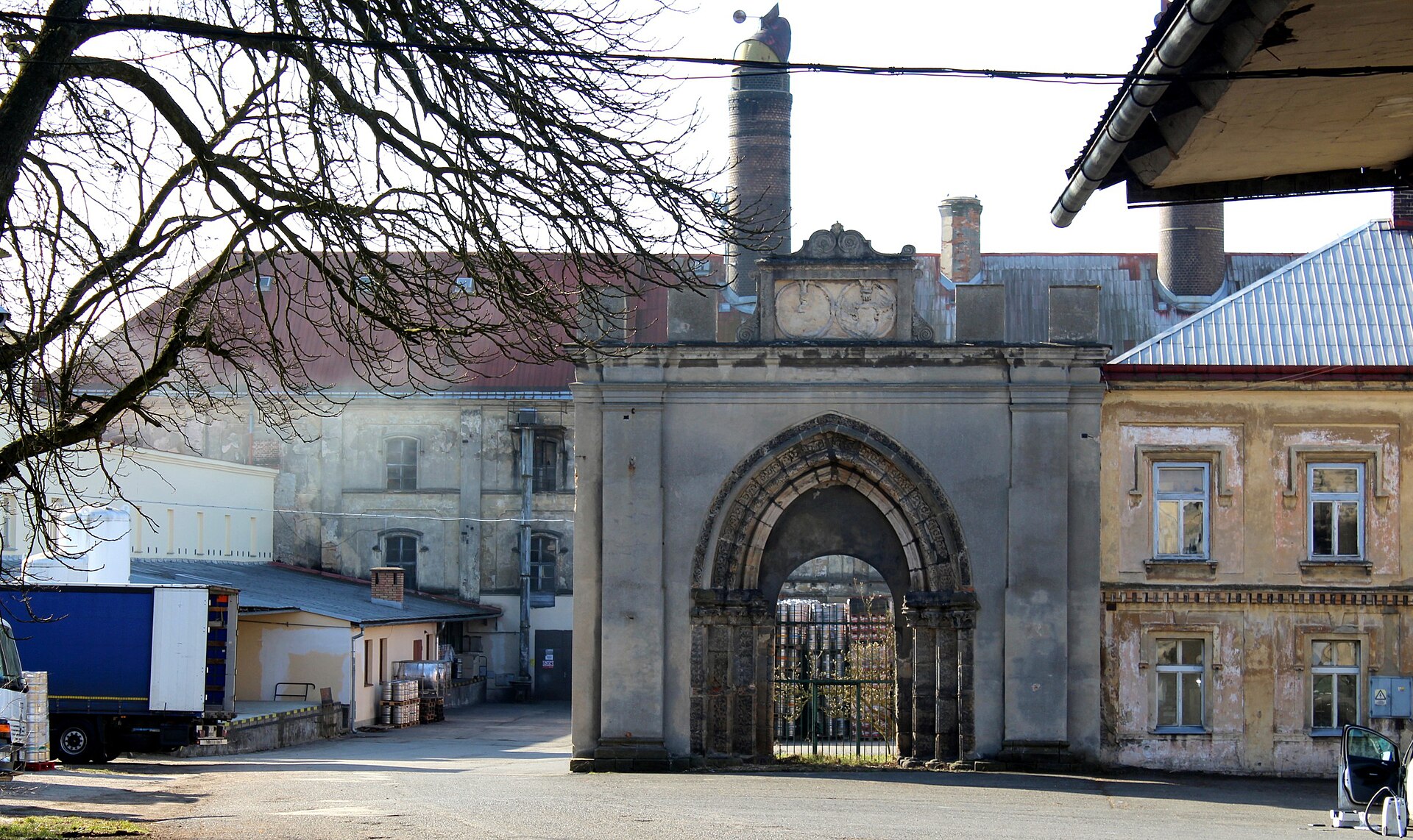
Pivovar Klášter: A Historic Czech Brewery Rooted in Monastic Tradition
The Czech Republic is globally renowned for its rich brewing heritage, often considered one of the finest in the world. Among the many breweries that have shaped this legacy, Pivovar Klášter holds a unique and fascinating place. Situated in the village of Klášter Hradiště nad Jizerou near Mladá Boleslav, this brewery combines centuries-old tradition, aristocratic influence, and modern brewing evolution. Its story reflects not only the history of beer production in Bohemia but also the broader cultural and political transformations of Central Europe.
Origins in a Medieval Monastery
The roots of Pivovar Klášter go back to the Cistercian monastery of Hradiště, founded in the second half of the 12th century, likely around 1177. This monastery was once one of the most significant religious institutions in Central Europe, reflecting the influence of monastic orders not only in spiritual matters but also in agriculture, craftsmanship, and brewing.
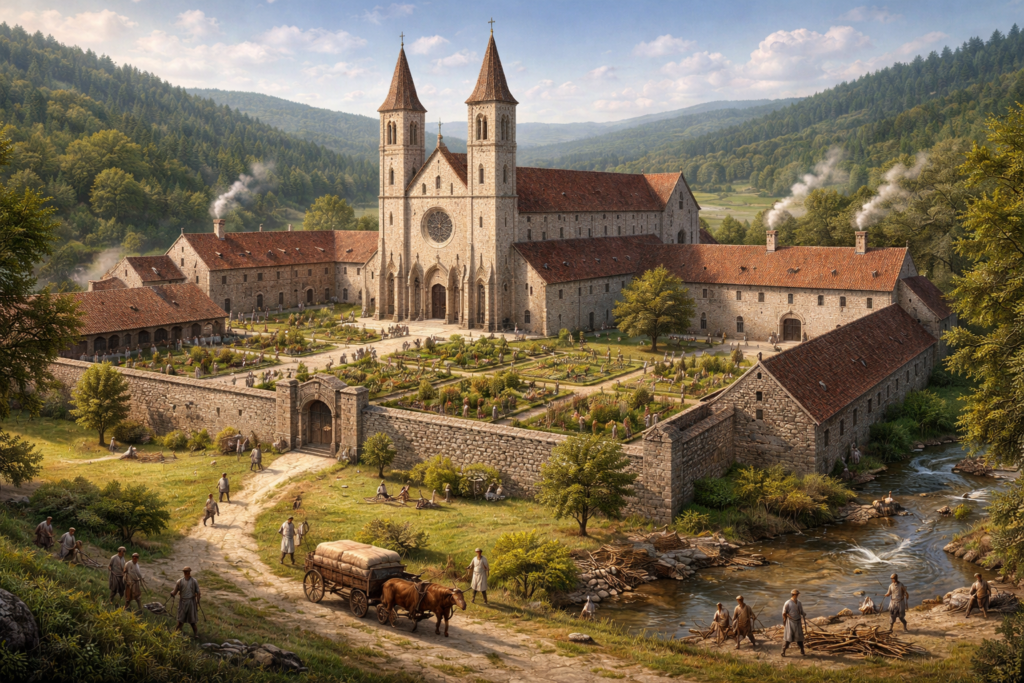
Monasteries played a crucial role in the development of beer in medieval Europe. Monks brewed beer both for their own consumption and for travelers, often improving techniques and ensuring consistent quality. It is therefore no surprise that the brewing tradition at Klášter emerged from this environment of discipline, knowledge, and self-sufficiency.
However, unlike some monasteries that maintained continuous brewing operations, the brewery at Klášter as an organized institution appeared later. The first recorded brewer associated with the site was Jiří Labouňský z Labouně, who established a brewery here in 1570. This marked the transition from monastic brewing to a more structured, secular enterprise.
Noble Ownership and Early Development
The history of Pivovar Klášter is closely intertwined with the political and noble dynamics of Bohemia. In 1612, the estate was purchased by Václav Budovec of Budov, a nobleman involved in the Bohemian Revolt against the Habsburg monarchy. His execution in 1621 following the defeat of the revolt led to the confiscation of his property.
The estate, including the brewery, was subsequently acquired by Albrecht von Wallenstein, one of the most powerful military leaders of the Thirty Years’ War. Under Wallenstein and his descendants, the brewery remained part of aristocratic holdings for centuries.
This long period of noble ownership provided stability and resources for development. Brewing gradually became more organized, and production expanded to serve not only the local population but also surrounding regions.
Birth of the Modern Brewery
The true transformation of Pivovar Klášter into a modern brewery occurred in the 19th century, a period marked by industrialization and technological advancement across Europe. In 1864, the Wallenstein family commissioned the construction of a new, state-of-the-art brewery facility, making it one of the most advanced breweries of its time.
This modernization allowed for increased production capacity, improved consistency, and better quality control. However, progress was not without setbacks. Just five years later, in 1869, a major fire severely damaged the brewery. Despite this, the brewery was rebuilt and continued to expand.
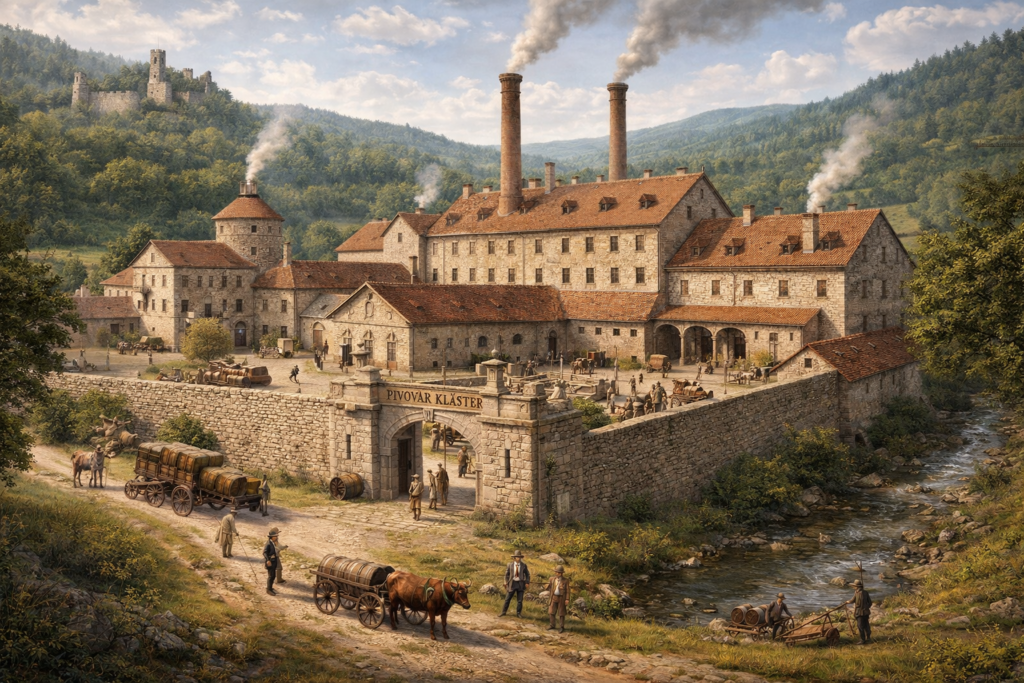
By the late 19th century, Pivovar Klášter had become one of the seven largest breweries in the Czech lands, demonstrating its importance within the national brewing industry.
Brewing Tradition and Beer Styles
Pivovar Klášter became known for producing traditional Czech lagers, particularly pale lagers that reflect the country’s brewing identity. Czech beer is characterized by its balance, drinkability, and use of high-quality ingredients such as Saaz hops, Moravian malt, and soft water.
One of the brewery’s flagship products, Klášter Premium, exemplifies these qualities. It is described as a classic Czech-style beer with a harmonious taste, noticeable bitterness, and rich creamy foam. The beer is traditionally not pasteurized, allowing it to retain the authentic flavor reminiscent of the historic rock cellars where it was once stored.
Tasting notes from international beer reviewers highlight the complexity of Klášter beers. Aromas often include bready malt sweetness, subtle citrus notes, and gentle hop bitterness, while the flavor profile combines smooth maltiness with a pronounced yet balanced bitterness.
In addition to pale lagers, the brewery has produced:
Dark lagers (tmavé), known for their caramel and roasted flavors
Special stronger lagers (ležák and speciál beers)
Seasonal beers, including winter brews
This range reflects the diversity of Czech brewing traditions, where even small variations in strength and fermentation create distinct styles.
Architectural and Cultural Significance
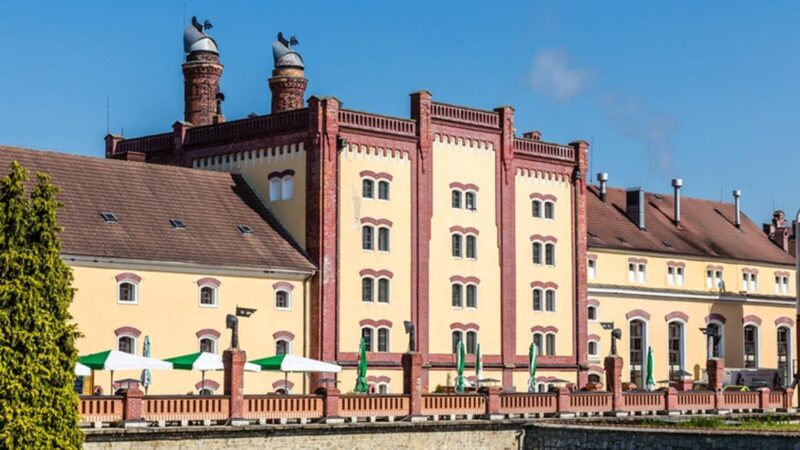
The brewery’s location adds to its unique character. It stands on the site of the former monastery, and while much of the original structure has not survived, a Gothic gate remains, serving as a visible reminder of the site’s medieval origins.
The combination of monastic heritage and industrial architecture makes Pivovar Klášter an important cultural landmark. It embodies the transition from medieval religious life to modern industry, illustrating how traditions evolve while retaining their roots.
The 20th Century: War, Nationalization, and Change
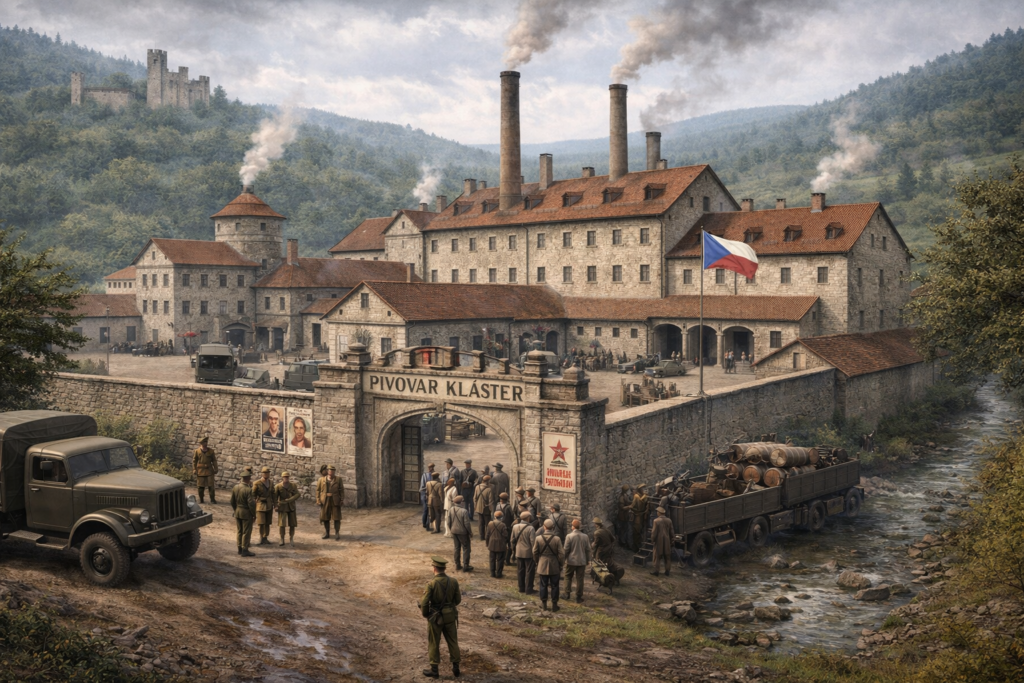
Like many Czech breweries, Pivovar Klášter underwent significant changes during the 20th century. The end of World War II in 1945 brought the confiscation of aristocratic properties, including those owned by the Wallenstein family.
Under the communist regime, the brewery became part of the state-controlled brewing industry. This period was characterized by centralization, standardized production, and limited innovation. While beer remained an essential part of Czech culture, individual brewery identities were often diminished.
Despite these challenges, Pivovar Klášter continued to produce beer and maintain its regional presence.
Post-Communist Era and Modern Ownership
After the Velvet Revolution in 1989, the Czech brewing industry underwent privatization and restructuring. Pivovar Klášter eventually became part of the Lobkowicz Group, a major brewing company that managed several regional breweries.
During this time, efforts were made to modernize production, improve branding, and expand distribution. The brewery’s traditional recipes were preserved, but new marketing strategies aimed to compete in both domestic and international markets.
However, the increasing consolidation of the beer industry and competition from both global brands and emerging craft breweries posed challenges. In 2020, discussions emerged about the closure of production at Pivovar Klášter, marking a significant moment in its long history.
Pivovar Klášter in the Context of Czech Beer Culture
To understand the importance of Pivovar Klášter, it is essential to consider the broader context of Czech beer culture. The Czech Republic consistently ranks among the highest in the world for beer consumption per capita, and beer is deeply embedded in daily life.
Czech brewing is defined by:
Emphasis on lager fermentation
High-quality local ingredients
Long maturation times
A focus on balance rather than extreme flavors
Pivovar Klášter embodies these principles. Its beers are not designed to be experimental or avant-garde but rather to represent the classic Czech style at its best.
In contrast to modern craft breweries, which often experiment with bold flavors and unconventional techniques, Klášter remained committed to tradition. This has both advantages and disadvantages: while it preserves authenticity, it may struggle to attract younger consumers seeking novelty.
Sensory Experience: What Defines Klášter Beer
Drinking a Klášter beer is an experience rooted in tradition. The visual presentation typically includes a clear golden color and a dense, creamy head.
On the nose, one can expect:
Fresh bread-like malt aromas
Subtle floral and herbal hop notes
A hint of sweetness balanced by bitterness
On the palate:
Smooth, medium-bodied texture
Gradual build-up of bitterness
Clean, refreshing finish
This balance is the hallmark of Czech brewing. The bitterness is noticeable but never overwhelming, and the beer remains highly drinkable.
Legacy and Significance
Even with uncertainties about its future, Pivovar Klášter remains an important symbol of Czech brewing heritage. Its history spans more than four centuries, connecting medieval monastic traditions with modern industrial production.
The brewery’s legacy can be summarized in several key aspects:
Historical continuity – from a 12th-century monastery to a modern brewery
Cultural importance – reflecting Czech traditions and social life
Technical development – evolving with industrialization while maintaining quality
Regional identity – serving as a landmark in the Mladá Boleslav region
Conclusion
Pivovar Klášter is more than just a brewery; it is a living testament to the history of beer in the Czech Republic. From its origins in a medieval monastery to its rise as one of the country’s largest breweries, it has witnessed centuries of change while preserving its core identity.
Although the challenges of the modern beer market have affected its operations, the legacy of Pivovar Klášter continues to resonate. Its beers, rooted in tradition and crafted with care, represent the essence of Czech brewing: balance, quality, and respect for history.
In a world where trends come and go, Pivovar Klášter stands as a reminder that some traditions are worth preserving—not only for their taste but for the stories they carry.
Image Brewery – Wiki Commons – @VitVit