Introducing Czech Breweries, Part 14 – Radegast
Radegast Brewery: The Story of Czechia’s Boldest Bitter Beer
Few names in Czech brewing evoke as strong an identity as Radegast. Known for its uncompromising bitterness, industrial roots, and deep connection to Moravian culture, Radegast stands apart in a country already world-famous for its beer. While many Czech breweries emphasize balance and smoothness, Radegast proudly embraces intensity—captured perfectly in its iconic slogan: “Life is bitter: Thank God.”
This is the story of a brewery born in the industrial heart of Moravia, shaped by socialist planning, transformed by globalization, and still fiercely loyal to its original philosophy.
Origins: Brewing for an Industrial Region
The story of Radegast begins in the 1960s, a period of rapid industrial expansion in what is now the Moravian-Silesian Region of the Czech Republic. The area surrounding the Beskydy Mountains was heavily populated by factory workers, miners, and steel industry employees—people with a strong beer culture and a demand for quality refreshment.
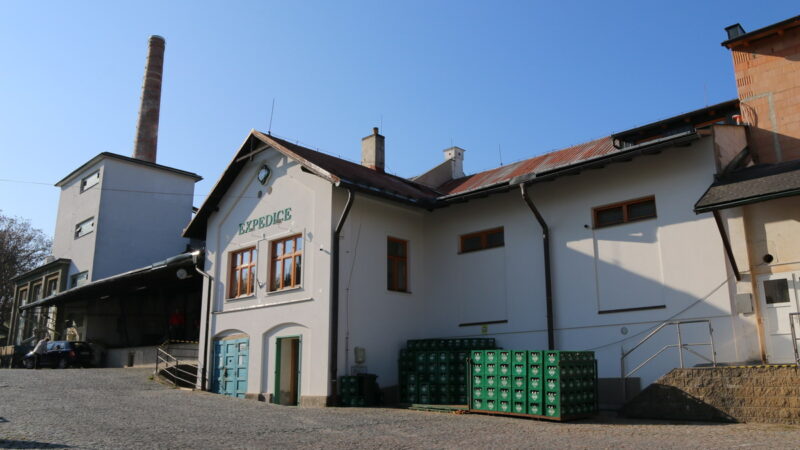
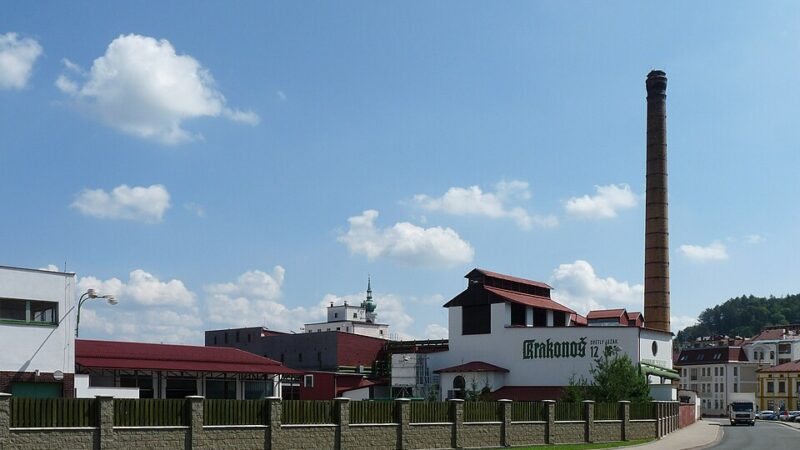
Recognizing this need, authorities decided to build a new, modern brewery in the village of Nošovice. Construction began in 1965, with the goal of supplying large volumes of beer to the growing population.
The brewery was designed from the start as a large-scale industrial facility, incorporating modern brewing technologies and logistics systems. It was not meant to be a small traditional brewery, but rather a powerhouse capable of meeting high demand efficiently.
On December 3, 1970, the first batch of beer was brewed.
Shortly afterward, the beer—and eventually the brewery—was given the name Radegast, after a Slavic pagan god associated with hospitality, harvest, and abundance.
The Name and Symbolism of Radegast
The choice of the name “Radegast” was far from arbitrary. In Slavic mythology, Radegast was a deity of hospitality and prosperity—fitting symbolism for a beer meant to bring people together.
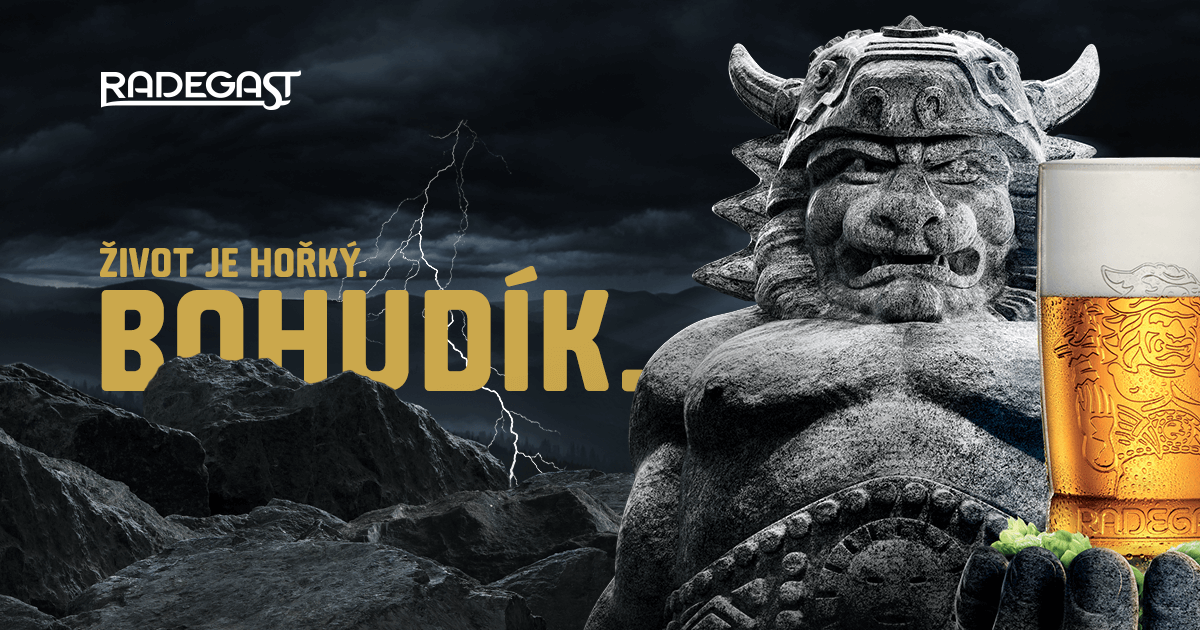
The brand’s identity has always leaned into this mythological origin. The iconic logo features a stylized depiction of the god, reinforcing the brewery’s connection to regional folklore and tradition.
Even the slogan—“Život je hořký: Bohudík” (“Life is bitter: Thank God”)—reflects both philosophical humor and a direct reference to the beer’s defining characteristic: bitterness.
This bold positioning helped Radegast stand out in a market dominated by smoother, more balanced lagers.
A Unique Brewing Philosophy: Embracing Bitterness
What truly distinguishes Radegast is its commitment to bitterness. While Czech beers are globally renowned for their balance between malt sweetness and hop bitterness, Radegast deliberately pushes the latter to the forefront.
The brewery uses high-quality Moravian ingredients, including malt from its own malt house and carefully selected Czech hop varieties such as Žatec (Saaz), Sládek, and Žatec Late.
Many of its beers are hopped multiple times during the brewing process, resulting in a pronounced bitterness measured in International Bitterness Units (IBU). For example:
Radegast Rázná 10: around 30 IBU
Radegast Ryze Hořká 12: around 36 IBU
Radegast Ratar: up to 50 IBU
This approach creates a crisp, refreshing beer with a strong hop profile—perfectly suited to the tastes of its core audience.
Growth During the Socialist Era
During the 1970s and 1980s, Radegast quickly established itself as a major regional brewery. Its location in an industrial area ensured consistent demand, and its large-scale production capabilities allowed it to expand rapidly.
By the late 1980s, the brewery was producing millions of hectoliters annually, becoming one of the key players in Czechoslovakia’s beer industry.
Unlike some older Czech breweries with centuries of history, Radegast was a modern creation—efficient, technologically advanced, and built to scale. This gave it a different character, one closely tied to the working-class identity of northern Moravia.
Transition to a Market Economy
The fall of communism in 1989 marked a turning point for the brewery. Like many state-owned enterprises, Radegast underwent privatization and restructuring during the 1990s.
In this period, the brewery became part of a larger brewing group that also included other Czech brands. Eventually, in 1999, Radegast merged with Plzeňský Prazdroj, the company behind the world-famous Pilsner Urquell.
This merger integrated Radegast into a broader portfolio of Czech beers, allowing it to benefit from shared expertise, distribution networks, and investment.
Later, through a series of acquisitions, the brewery became part of the global brewing giant Asahi Breweries, which acquired Plzeňský Prazdroj in 2017.
Despite these ownership changes, Radegast has maintained its distinct identity and brewing philosophy.
Product Portfolio: From Classic Lagers to Extreme Bitterness
Radegast’s beer lineup reflects its commitment to bold flavor, while still adhering to Czech brewing traditions.
Core Beers:
Radegast Rázná 10
A classic Czech pale draught beer with lower alcohol content (around 4.1%), but a surprisingly full-bodied and bitter taste.
Radegast Ryze Hořká 12
The flagship product, a premium pale lager with a strong hop character and around 5.1% ABV.
Radegast Temně Hořká
A semi-dark lager combining roasted malt notes with pronounced bitterness.
Specialty and Experimental Beers
Radegast Ratar
One of the most bitter beers in the Czech market, brewed with Polaris hops and reaching up to 50 IBU.
Radegast Extra Bitter
A stronger lager with elevated bitterness and alcohol content.
Non-Alcoholic Range
The brewery also produces the popular Birell line of non-alcoholic beers, which includes both classic and flavored variants.
This diversification has helped Radegast appeal to a broader audience while maintaining its core identity.
Brewing Technology and Innovation
From its inception, the Nošovice brewery was designed as a technologically advanced facility. Over the decades, it has continued to modernize and innovate.
One of its most notable achievements is its efficiency in water usage. Radegast is considered one of the most water-efficient breweries in the world, using approximately 2.3 hectoliters of water per hectoliter of beer.
This is significantly lower than the global average, demonstrating a strong commitment to sustainability.
The brewery has also implemented automation in areas such as storage and logistics, further enhancing efficiency and consistency.
Sustainability and Environmental Responsibility
In recent years, Radegast has positioned itself as a leader in environmental responsibility within the brewing industry.
The brewery has launched initiatives aimed at reducing water consumption and improving water retention in the landscape. For example, it has supported projects to restore natural water systems and create retention pools across the Czech Republic.
Its ambitious goal is to return more water to the environment than it consumes by 2030—a bold commitment that reflects growing environmental awareness in the brewing sector.
Cultural Impact and Regional Identity
Radegast is more than just a beer—it is a symbol of Moravian identity.
It is particularly popular in the eastern part of the Czech Republic and is widely regarded as the “beer of Moravia.”
Its strong, bitter taste resonates with the character of the region and its people—direct, unpretentious, and resilient.
The brewery also plays an important role in local tourism. Visitors to Nošovice can tour the facility, learn about the brewing process, and experience Czech beer culture firsthand.
Radegast in the Czech Beer Landscape
The Czech Republic is home to some of the world’s most famous beer brands, including Pilsner Urquell, Budweiser Budvar, and Staropramen. Within this competitive environment, Radegast occupies a unique position.
While many Czech beers emphasize balance and drinkability, Radegast focuses on boldness and bitterness. This makes it particularly appealing to drinkers who prefer a more intense flavor profile.
Its success demonstrates the diversity of Czech brewing traditions and the ability of breweries to carve out distinct identities even within a highly established market.
Modern Developments and Future Outlook
Today, Radegast continues to evolve while staying true to its roots.
The brewery has embraced innovation not only in production but also in branding and marketing. Its campaigns often emphasize authenticity, resilience, and a connection to nature—values that resonate with modern consumers.
The appointment of new brewing leadership, including the first female brewer in its history, signals a commitment to both tradition and progress.
Looking ahead, Radegast is likely to continue expanding its portfolio, exploring new styles, and strengthening its environmental initiatives.
Conclusion: A Beer That Dares to Be Different
Radegast is a brewery that defies expectations. Born in the industrial heart of Moravia, it has grown into one of the most distinctive names in Czech brewing.
Its unwavering commitment to bitterness, combined with modern technology and environmental responsibility, sets it apart in a crowded market. At the same time, its deep cultural roots ensure that it remains closely connected to the region that gave it life.
In a country where beer is more than just a drink, Radegast stands as a symbol of character, tradition, and boldness.
Or, as the brewery itself might say:
Life is bitter—and that’s exactly how it should be.