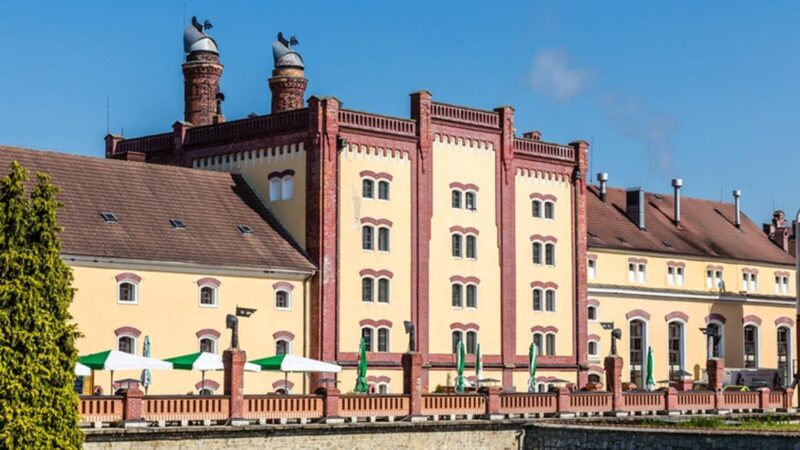
Introducing Czech Breweries, Part 17 – Pivovar Strakonice
Pivovar Strakonice: A Living Legacy of Czech Brewing Tradition
In the heart of South Bohemia, in the historic town of Strakonice, stands one of the Czech Republic’s most authentic and tradition-rich breweries: Pivovar Strakonice. Known officially as Dudák – Měšťanský pivovar Strakonice, this brewery represents a rare continuity of brewing heritage dating back centuries. It is not only one of the oldest breweries in the country, but also one of the last remaining municipal breweries in the Czech Republic—a distinction that makes it unique in the modern beer landscape.
With roots stretching back to the Middle Ages and a formal founding in 1649, Pivovar Strakonice has survived wars, industrialization, communism, and globalization, all while maintaining a steadfast commitment to traditional Czech brewing methods. Today, it continues to produce high-quality, unpasteurized beers that reflect the essence of Bohemian brewing culture.
Early Brewing Traditions in Strakonice
The story of Pivovar Strakonice begins long before its official founding. Brewing in Strakonice can be traced back to at least 1367, when local burghers were granted brewing rights by the nobleman Bavor IV. These rights allowed townspeople to produce beer in their own homes, a common practice in medieval Europe.
At the time, beer was not just a beverage but an essential part of daily life. It was safer to drink than water, provided nourishment, and served as a key economic commodity. In Strakonice, brewing became deeply embedded in the town’s identity, with dozens of houses holding the right to brew.
However, this decentralized system had its drawbacks. Competition from noble-owned breweries and inconsistencies in quality led the burghers to consider a more unified approach. This eventually resulted in the creation of a communal brewery—a pivotal moment in the town’s brewing history.
The Founding of the Burghers’ Brewery (1649)
In 1649, the brewing citizens of Strakonice joined forces to establish a shared brewery, known as the burghers’ brewery. They purchased a building and equipped it with brewing and malting facilities, laying the foundation for what would become Pivovar Strakonice.
This move marked a transition from small-scale, household brewing to a more organized and efficient system. At the time, around 158 houses in the town held brewing rights, and the new brewery allowed them to pool resources and improve production quality.
Despite these advancements, early brewing was still labor-intensive and limited by technology. Water quality posed a significant challenge, as brewers relied on local sources such as the Otava River and public fountains. Nevertheless, the brewery gradually expanded and improved its processes.
Industrialization and the Birth of a Modern Brewery
The 19th century brought significant changes to the brewing industry across Europe, and Strakonice was no exception. Advances in technology, particularly the introduction of steam power and bottom fermentation, revolutionized beer production.
Recognizing the need for modernization, the brewery relocated in 1873 to a new site in the Podskalí district near the Otava River. This new facility was equipped with steam-powered machinery, allowing for greater efficiency and consistency in brewing.
The adoption of bottom fermentation techniques—now synonymous with Czech lager—marked a turning point. Beers became cleaner, more stable, and more suitable for storage and transport. Under the leadership of skilled brewers such as Vilém Graf, the brewery’s reputation grew steadily.
By the late 19th and early 20th centuries, Strakonice beer was being distributed widely, first in wooden barrels and later in glass bottles. Horse-drawn wagons delivered beer to local pubs, a tradition that the brewery still commemorates today.
The 20th Century: War, Nationalization, and Survival
Like many European breweries, Pivovar Strakonice faced significant challenges during the 20th century. Two world wars disrupted production and strained resources, while political changes reshaped the industry.
In 1948, following the communist takeover of Czechoslovakia, the brewery was nationalized and incorporated into the state-owned enterprise Jihočeské pivovary České Budějovice. This period saw centralized control and standardization, which often limited innovation but ensured the brewery’s continued operation.
Despite these constraints, the brewery maintained its commitment to traditional Czech beer styles. Its lagers remained popular locally, and the knowledge of brewing techniques was preserved through generations of brewers.
Return to Local Ownership and Modern Revival
One of the most remarkable chapters in the brewery’s history began in the early 21st century. In 2004, the town of Strakonice repurchased the brewery and established a joint-stock company to operate it.
This move made Pivovar Strakonice one of the last municipally owned industrial breweries in the Czech Republic—a rare model in an industry increasingly dominated by multinational corporations.
Since returning to local ownership, the brewery has undergone extensive modernization while preserving its traditional character. Investments in technology have improved efficiency and quality control, while the brewing process remains rooted in classic Czech methods.
Today, the brewery produces around 50,000–55,000 hectoliters of beer annually, focusing on quality over mass production.
Brewing Philosophy and Techniques
Pivovar Strakonice is known for its dedication to traditional brewing practices. One of its defining characteristics is the production of unpasteurized beer, which retains more natural flavor and aroma compared to pasteurized alternatives.
The brewery uses high-quality Czech ingredients, including local malt and the renowned Žatec (Saaz) hops. These ingredients contribute to the distinctive bitterness and aromatic profile of Czech lagers.
Key aspects of the brewery’s philosophy include:
Traditional bottom fermentation
Extended lagering periods for flavor development
Use of Czech raw materials
Minimal processing, often avoiding pasteurization
This approach ensures that each beer reflects the authenticity of Czech brewing heritage.
Beer Portfolio: A Taste of South Bohemia
Pivovar Strakonice produces a diverse range of beers under several brands, most notably the Dudák line. These beers cater to both traditional lager enthusiasts and those seeking more distinctive flavors.
Key Beers
Dudák Premium (12° lager)
A classic Czech pale lager with balanced bitterness and a full malt body.
Dudák 11°
A slightly lighter lager with refreshing drinkability.
Král Šumavy
A lager inspired by the Šumava region, offering a smooth and balanced profile.
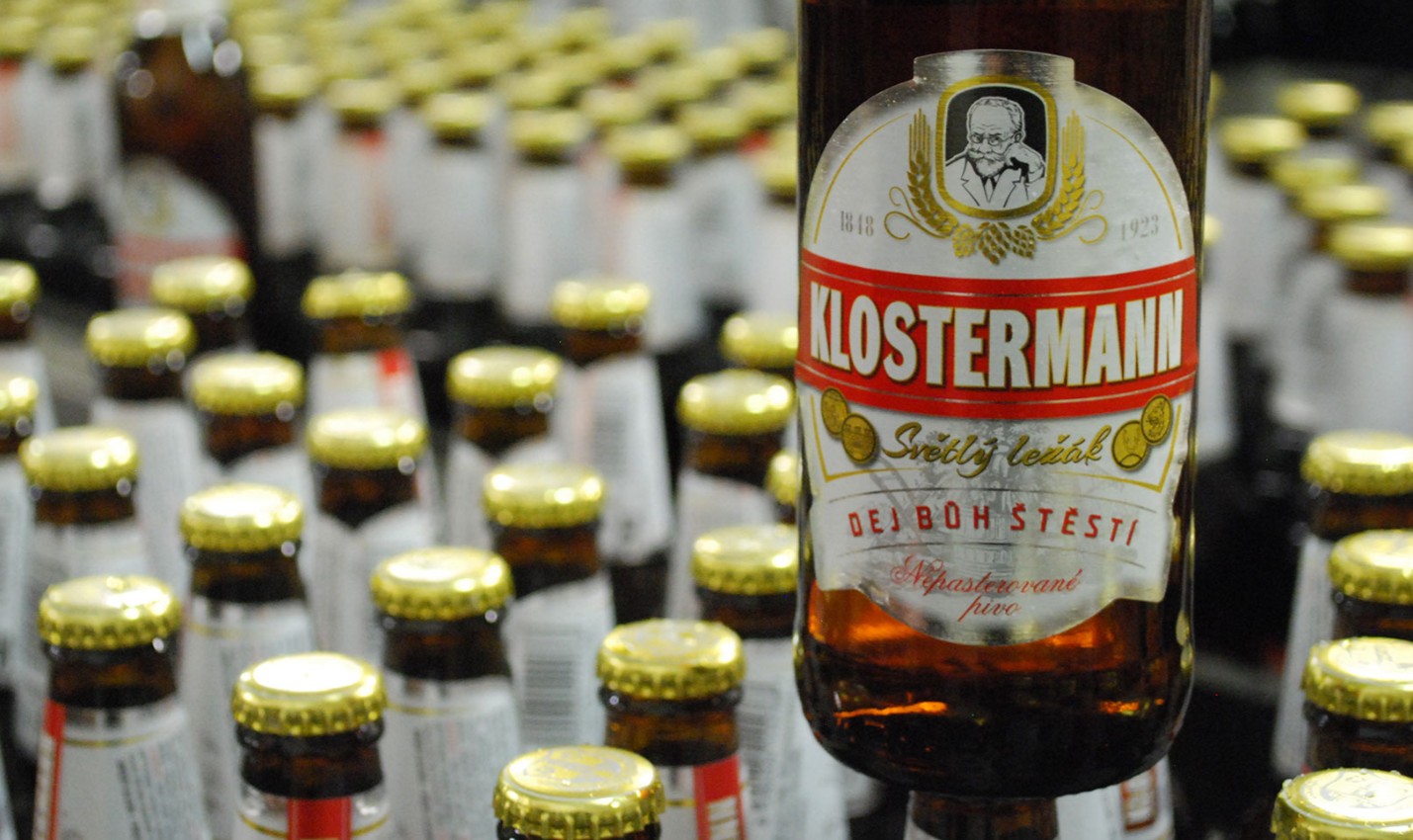
Klostermann (light and semi-dark variants)
Beers inspired by the famous writer Karel Klostermann, often featuring modern hopping techniques.
The brewery also produces non-alcoholic beer and seasonal specials, ensuring a broad appeal.
Cultural Significance and Identity
Pivovar Strakonice is more than just a brewery—it is a cultural institution. Its beers are deeply connected to the identity of Strakonice and the surrounding region.
The name “Dudák,” meaning “bagpiper,” reflects local folklore and traditions. Strakonice is famous for its bagpipe festival, and the brewery embraces this cultural heritage in its branding.
The brewery also plays a vital role in the local economy and tourism. Visitors can tour the facilities, learn about the brewing process, and taste fresh beer directly from the lager tanks—a unique experience that highlights the freshness and quality of unpasteurized beer.
Awards and Recognition
Over the years, Pivovar Strakonice has received numerous awards at beer competitions, both in the Czech Republic and internationally. Its beers are frequently praised for their authenticity, balance, and adherence to traditional styles.
One notable achievement includes the success of the Klostermann semi-dark lager at the prestigious Žatecká Dočesná festival, where it won first place in its category.
Such accolades reinforce the brewery’s reputation as a producer of high-quality Czech beer.
Pivovar Strakonice in the Modern Beer Landscape
In today’s global beer market, dominated by large corporations and rapidly growing craft breweries, Pivovar Strakonice occupies a unique position. It combines the scale of a traditional regional brewery with the independence and authenticity often associated with craft brewing.
Its municipal ownership allows it to prioritize quality and heritage over profit maximization. This independence is increasingly valued by consumers seeking genuine, locally produced products.
At the same time, the brewery continues to innovate, introducing new beer styles and improving production techniques without compromising its core identity.
Visiting the Brewery
For beer enthusiasts traveling through South Bohemia, a visit to Pivovar Strakonice is highly recommended. The brewery offers guided tours that provide insight into both historical and modern brewing processes.
Visitors can expect:
A walk through traditional and modern brewing facilities
Explanations of Czech brewing techniques
Tastings of fresh, unpasteurized beer
A glimpse into centuries-old brewing traditions
Combined with the charm of Strakonice—home to a medieval castle and rich cultural heritage—the brewery makes for a memorable destination.
Conclusion
Pivovar Strakonice stands as a testament to the enduring strength of Czech brewing traditions. From its origins in medieval brewing rights to its establishment as a burghers’ brewery in 1649, and through centuries of change, it has remained true to its roots.
Today, as one of the last municipally owned breweries in the Czech Republic, it represents a rare and valuable link to the past. Its commitment to quality, tradition, and local identity ensures that it continues to thrive in a competitive global market.
Whether you are a seasoned beer connoisseur or a curious traveler, Pivovar Strakonice offers a genuine taste of Czech brewing heritage—one that is as rich in history as it is in flavor.
Image: Pivovar Strakonice